
Empowering Children with Special Needs: Michella Filipowitz

When Michella Filipowitz left Miami to start a new chapter in Sydney, she knew the move would come with its own set of challenges. Adapting to a new country, a new culture, and a different pace of life was something she was prepared to face. However, what she couldn’t have anticipated were the unique and profound challenges she would encounter as a single mother raising a child with autism. Rather than allowing these difficulties to deter her, Michella turned them into a catalyst for change, leading her to co-found the DR Family Foundation in Australia.
Michella’s story is one of resilience, passion, and unwavering dedication to making a difference. Her multifaceted background as a model, business owner, and philanthropist reflects a life committed to helping others, particularly children with disabilities. At just 23, Michella became a single mother, and shortly thereafter, her son was diagnosed with autism. This diagnosis, while daunting, fueled her determination to create a supportive environment not just for her son, but for other families facing similar challenges.
Through the DR Family Foundation, Michella is effecting real change in the lives of children with disabilities. The foundation provides financial support to cover school fees for children who might otherwise be excluded from educational opportunities. Education is a fundamental right, and Michella is determined to ensure that no child is left behind due to financial barriers. Beyond this, she is working on a groundbreaking project—a shelter that is set to open next summer. This shelter will serve as a sanctuary for children from disadvantaged backgrounds, providing them with the care and support they desperately need.
“This shelter is more than just a roof over their heads,” Michella explains. “We’re building a community where these children can feel secure, supported, and valued. It’s about giving them a place where they can grow and thrive, despite the challenges they’ve faced.”
The motivation behind Michella’s work is deeply personal. Her own experiences as a single mother to a child with autism have given her a unique perspective and a deep empathy for other families in similar situations. “I’ve been through it,” she says. “I know how isolating and overwhelming it can be. That’s why I want to use my experiences to help others, to offer them the support that I sometimes felt was lacking.”
One of the most poignant moments in Michella’s journey was watching her son, Benjamin, play alone while other children played together. This image stayed with her, highlighting the social isolation that many children with disabilities face. Despite the fact that 1 in 36 children are diagnosed with autism, the stigma and lack of understanding persist, leading to isolation and missed opportunities.
“In Australia, the support for children with disabilities is not as robust as it was in Miami,” Michella observes. “Finding a school that was willing to accept my son was an incredibly difficult process, especially as he was getting ready to start kindergarten.”
Michella recounts the numerous private schools that turned Benjamin away, citing a lack of resources and an unwillingness to accommodate his needs. “It was incredibly frustrating,” she recalls. “These schools just didn’t want to take on the challenge of educating a child on the spectrum. They saw him as a potential disruption rather than a student with the potential to learn and grow.”
This experience solidified Michella’s belief that segregating children with disabilities into specialized schools is not the answer. Instead, she advocates for more inclusive classrooms where all children, regardless of their abilities, can learn from one another. “Children with disabilities didn’t choose their challenges,” she emphasizes. “They deserve to be included, supported, and given the same opportunities as any other child.”
Michella’s experience in Miami provided her with a glimpse of what is possible when children with disabilities are integrated into mainstream educational settings. The school she found for Benjamin in Miami embraced him fully, and the results were astounding. Benjamin began speaking, reading, and developing new skills—milestones that might not have been reached in a less inclusive environment.
“When I saw how much Benjamin thrived in that school, it solidified my belief that inclusion is key,” Michella says. “It’s not just about academics; it’s about socialization, building relationships, and helping these children feel like they belong.”
Recently, Michella’s perseverance paid off in Sydney when Benjamin was accepted into a public school. This milestone was not just a victory for Michella and her son but also a testament to the power of advocacy and determination.
“I was overwhelmed with emotion,” Michella shares. “I sat in the car and cried tears of joy. The principal was so understanding and supportive. He assured me that other children with disabilities were also doing well at the school, which gave me so much hope.”
Michella’s vision for the future extends beyond her own family. She dreams of an education system where children with disabilities are fully integrated and where diversity is celebrated rather than feared. She knows that this kind of systemic change won’t happen overnight, but she’s committed to being part of the solution.
Through the DR Family Foundation, Michella is actively working to create this inclusive future. In addition to supporting educational initiatives, the foundation is launching a soccer team for children with disabilities. This team will provide a space for these children to engage in physical activity, build friendships, and experience the camaraderie that comes with being part of a team.
“My goal is to create a place where every child feels they belong,” Michella explains. “I want them to know that they are valued, that they have something to contribute, and that their differences are what make them special.”
Michella’s personal challenges have only strengthened her resolve to help others. She understands that the road ahead may be long, but she is committed to walking it—one step at a time, one child at a time. Her journey from Miami to Sydney, from model to philanthropist, is a testament to the power of resilience, empathy, and community.
Michella Filipowitz’s story is far from over. As she continues to build the DR Family Foundation, she is also building a legacy of compassion and inclusion that will impact countless lives. To stay updated on Michella’s work and to follow her inspiring journey, visit her Instagram @princessmichella.


Wellness
Desert Doc and the Ethics of Showing Real Emergency Medicine

Ethical questions often surface when real medical care is documented for public viewing. Emergency rooms are intense environments where decisions are made quickly, and emotions run high. Filming these moments requires careful judgment and clear boundaries. Desert Doc centers on these realities while placing ethical responsibility at the core of its approach.
Unlike dramatized medical programs, Desert Doc relies on real emergency room footage captured during active patient care. This choice brings added responsibility to protect those receiving treatment. Every moment shown is governed by strict consent standards and privacy safeguards. Patients are never treated as content, but as individuals first.
Patient consent remains a foundational principle throughout the series. Participation is never assumed, and consent is obtained through established medical and legal protocols. Identifying details are handled with care to prevent unnecessary exposure. These standards help ensure that storytelling never outweighs patient rights or dignity.
Clinical integrity is also preserved by keeping medical decision-making independent from production considerations. Care is delivered exactly as it would be without cameras present. Physicians, nurses, and staff operate under standard hospital protocols at all times. The presence of cameras does not influence diagnoses, treatment paths, or outcomes.
Medical Center Hospital in Odessa provides the setting for this work. The hospital serves a vast and often underserved region, covering tens of thousands of square miles. This scale adds complexity to emergency care and reinforces the need for accuracy and restraint in documentation. The series reflects the realities of working within these constraints without altering them for narrative effect.
Oversight plays a critical role in maintaining accountability. Hospital leadership, medical professionals, and production teams work within clearly defined guidelines. These measures help ensure compliance with healthcare regulations and ethical standards. The result is a system of checks that supports transparency rather than spectacle.
Dr. Sudip Bose plays a central role in maintaining these standards. As an emergency physician and medical leader, his responsibilities extend beyond patient care to ethical oversight. His experience in high-pressure environments informs how situations are assessed both clinically and ethically. This perspective helps guide how emergency medicine is represented on screen.
Dr. Bose’s involvement reinforces the importance of professional accountability. His leadership reflects a commitment to accuracy, patient safety, and ethical restraint. The series does not frame him as a performer, but as a working physician navigating real cases. This distinction is key to preserving trust with both patients and viewers.
Desert Doc has received industry recognition, including a Telly Award and an Emmy nomination. These acknowledgments reflect the care taken in their execution rather than promotional intent. The series premiered on Amazon Prime Video and has since been distributed across streaming platforms, with updated viewing availability provided through its official website.
Ethical storytelling in healthcare requires balance. It demands honesty without intrusion and access without exploitation. Desert Doc demonstrates how real emergency medicine can be shown while maintaining respect for patients, professionals, and the gravity of medical care. In doing so, the series contributes to a more informed and ethical portrayal of emergency medicine.
Written in partnership with Tom White
Book
Reading Charleston Before Visiting: How Fiction Reveals the City’s History, Culture, and Stories
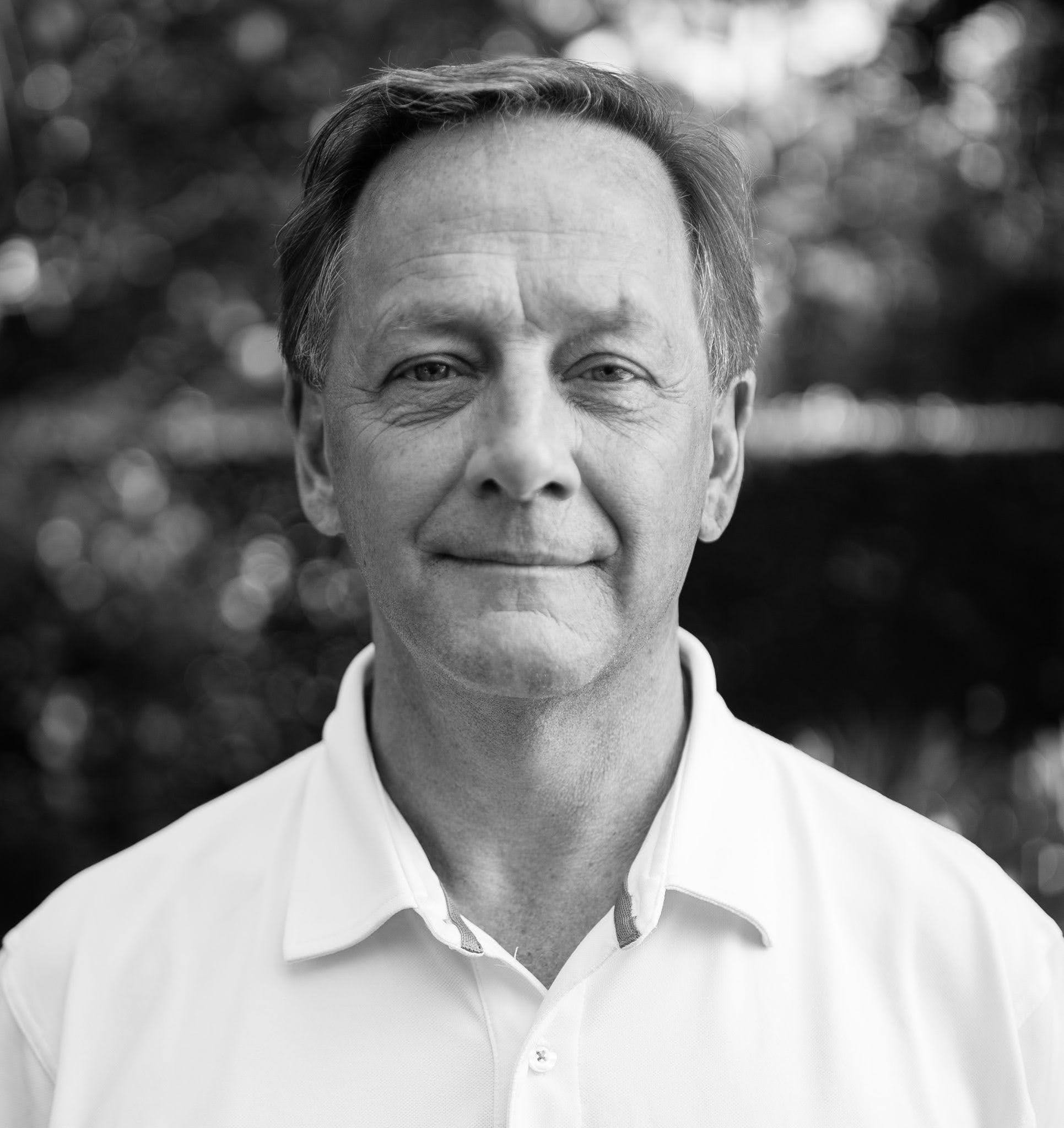
Paul Attaway (Source: Paul Attaway)
Why Read Fiction Before Visiting Charleston?
Reading fiction before visiting Charleston, South Carolina can help travelers better understand the city’s history, culture, social traditions, and literary heritage before they arrive. Southern mystery author Paul Attaway believes Charleston novels offer insights that guidebooks cannot, allowing readers to experience Charleston through the people, relationships, and conflicts that have shaped the city across generations. For travelers interested in literary tourism, Charleston fiction provides context that transforms a sightseeing trip into a deeper cultural experience.
Charleston has long been recognized as one of America’s most significant literary destinations. Its colonial history, preserved architecture, coastal Lowcountry culture, and complex social legacy have inspired generations of writers across Southern fiction, historical fiction, legal thrillers, and family dramas. For many travelers, novels provide cultural context that complements the city’s historic landmarks.
Recent travel trends reflect growing interest in literature-led tourism, with readers increasingly seeking destinations connected to novels that immerse them in local history and identity. Charleston, Attaway believes, has long occupied that space. In his view, writers have returned to the city for generations because its streets preserve centuries of triumph, hardship, ambition, and inherited memory. Attaway sees those layers as impossible to separate from the visitor experience. Literary tourism allows travelers to connect physical locations with the characters, events, and cultural histories represented in books.
“You can stand on Rainbow Row or walk the Battery, but fiction gives you access to the conversations that happened behind those doors. It lets you meet the people who carried Charleston through generations,” he says.
Many visitors searching for books about Charleston, South Carolina, expect picturesque scenery wrapped in nostalgia. Attaway believes those expectations overlook the city’s literary richness. According to him, Charleston has inspired works that examine class, legacy, justice, faith, and family, placing it alongside celebrated literary settings. Each setting becomes memorable because readers experience its moral tensions alongside its architecture. This connection between place and storytelling has made Charleston a compelling setting for authors exploring Southern identity and generational change.
How Paul Attaway Uses Charleston as a Character
Attaway follows that tradition through Blood in the Low Country, where Charleston functions as far more than scenery. Blood in the Low Country is a Southern family mystery set in Charleston that explores reputation, inherited privilege, justice, and the lasting effects of family expectations. The novel presents southern family drama rooted in expectations surrounding reputation, inherited privilege, and painful personal history. Rose Atkins’ determination to secure acceptance within Charleston society gains meaning because the city itself places enormous weight on ancestry and appearance. Readers witness how private struggles unfold beneath polished social rituals, offering visitors a perspective they would never find on a historic house tour.
Those observations continue through Blood Rivalry, where legal battles expose political influence accumulated across decades. The novel operates as a legal thriller, yet its courtroom conflicts reveal broader questions about institutional power and public image. Blood Rivalry is a Charleston-based legal thriller that examines political influence, corruption, and the lasting impact of powerful family networks.Attaway believes Charleston’s history naturally lends itself to stories where personal ambition collides with civic legacy.
Southern Gothic Themes in the Atkins Family Saga
The Atkins Family Saga also embraces traditions of Southern Gothic suspense, although Attaway approaches the genre through character instead of spectacle. Hidden motives, inherited trauma, moral compromise, and difficult redemption drive his narratives. Readers familiar with the works of Pat Conroy or even the psychological landscapes found in William Faulkner will recognize how Southern fiction often asks people to confront the past before imagining a future.
Attaway argues that readers searching for a meaningful Charleston travel reading list should include novels willing to expose uncomfortable truths alongside celebrated landmarks. “Every beautiful city has stories people would rather forget. Ignoring those stories gives you an incomplete picture,” he explains.
That philosophy shapes Attaway’s Atkins Family Saga. Across the series, Attaway explores recurring themes of family legacy, justice, corruption, forgiveness, and the influence of history on modern communities. Each Southern novel explores family secrets and corruption without reducing Charleston to crime alone. Eli Atkins’ wrongful accusation, Walker’s legal fight against a powerful political dynasty, and the burdens carried across generations all reflect larger questions about justice, forgiveness, and community. Visitors who encounter Charleston after reading those stories may notice details others pass without thought, from historic churches to courthouse steps where public life and private conflict have long overlapped.
Why Literary Tourism Continues to Grow
Attaway also leans into the appeal of the small-town southern mystery, even while Charleston itself has grown into an internationally recognized destination. Communities throughout the Lowcountry remain deeply connected, allowing relationships, loyalties, and old grievances to ripple through every investigation. Those dynamics create the foundation for the deep south crime drama woven throughout his novels.
In Attaway’s view, literary tourism succeeds because memorable places become richer through narrative. Charleston offers exceptional architecture, celebrated cuisine, and remarkable preservation, yet Attaway maintains that its greatest attraction remains its people and the stories they continue to inherit. Reading before arriving allows visitors to recognize those invisible threads, transforming familiar landmarks into places where history still feels personal. By the time travelers reach Charleston’s cobblestone streets, Attaway argues that the city can already feel inhabited, not simply visited. For travelers interested in Charleston history, Southern fiction, and literary tourism, reading before visiting provides a deeper understanding of the city’s people, traditions, and stories beyond its famous landmarks.
Frequently Asked Questions:
Why should you read fiction before visiting Charleston?
Reading fiction before visiting Charleston helps travelers understand the city’s culture, history, and social traditions through storytelling, characters, and personal experiences.
What books are about Charleston, South Carolina?
Paul Attaway’s Blood in the Low Country and Blood Rivalry explore Charleston through Southern mystery, legal drama, family legacy, and questions of justice.
What is literary tourism?
Literary tourism is the practice of visiting places connected to books, authors, and fictional stories to gain a deeper understanding of a destination.
Written in partnership with Tom White
Mental Health
Where Progress Meets Possibility: Alisa Badryan’s Vision for Meaningful ABA Therapy at ALMA Behavioral Solutions

Alisa Badryan and ALMA Behavioral Solutions are dedicated to helping children with autism make meaningful progress through compassionate, individualized, and evidence-based ABA therapy.
Having a child on the autism spectrum can be incredibly difficult for a parent. You long to help them in any way you can, and yet so often everything feels unclear in this regard. It is easy to get overwhelmed in such a situation. Serving families across Glendale, Burbank, Granada Hills, Northridge, Studio City, Beverly Hills, Los Angeles, and Pasadena, Alisa Badryan and ALMA Behavioral Solutions are offering a fresh, family-centered approach to applied behavior analysis (ABA) therapy that can make a meaningful difference.
Who Is Alisa Badryan?
Alisa Badryan is a compassionate founder focused on trust, family partnership, and quality ABA care who is a member of the Council of Autism Service Providers and the Association of Behavior Analysis International. Through her work at ALMA Behavioral Solutions, she is striving to bring care back to what matters most: the child, the family, and lasting developmental progress. Badryan is passionate, goal-driven, and deeply connected to the families she serves. She steadfastly believes that every child matters and that therapy should create meaningful change not only for the child but also for the family as a whole.
As a professional in the industry, Badryan often saw parents and their children struggling, which led her to found ALMA Behavioral Solutions to address these issues.

Badryan’s ABA History
Badryan has been an advocate in Applied Behavior Analysis since 2008. She found great success in the sector and grew increasingly ambitious about expanding her work and helping more families in more tangible ways. This led her to create ALMA Behavioral Solutions, with a focus on compassion, integrity, and results that improve lives. The organization is rooted in individualized, evidence-based treatment, family partnership, and calm, nurturing environments.
What Makes ALMA Different
Whereas others in this area may focus solely on the patient or child, ALMA, under Badryan’s leadership, uses a much more family-centered approach. Here, parents and caregivers are not treated as outside observers; they are essential partners in the child’s progress.
This way, the program can be just as beneficial for parents as for the children themselves.
Spreading the Joy
Beyond her work at ALMA Behavioral Solutions, Badryan also crusades for these beliefs and values on other platforms. She is a member of the Council of Autism Service Providers and the Association for Behavior Analysis International. These qualifications not only support her credibility and demonstrate her connection to the broader ABA and autism services field, but also enable Badryan to bring her unique approach and perspective to an even wider swath of the industry.
Future Vision
Having a child with autism can result in life feeling full of uncertainty and anxiety. Alisa Badryan and ALMA Behavioral Solutions strive to provide greater certainty by providing a firm foundation for both the child and the parents, so they can feel welcome and truly cared for.
Moving forward, Badryan’s future ambitions include expanding access to high-quality ABA services, especially in underserved communities. She strives to build impactful ABA programs supported by data-driven outcomes that demonstrate meaningful progress, so all can reap the benefits.
Families looking to learn more about ALMA’s approach can reach out through almabehavioralsolutions.com and connect via Instagram.
Written in partnership with Tom White
-

 4 years ago
Maggie Jenson Is Empowering People Battling Addiction
-

 3 years ago
Latino Pulse in LA’s Hip-Hop Heart: The FACEvsIT Evolution
-

 Crypto6 months ago
The Real Story Behind teemchase’s Real Estate, Music, and Crypto Empire
-

 Fashion3 years ago
From Brothers to Business: The Inspiring Journey of YoungLA
-

 Entertainment3 years ago
From ‘Cold’ Streetwear to Cosmic Dreams: The Ryley Gauthier Odyssey
-

 5 years ago
Demonstrating the power of social media- British bombshell, Bonnie Locket:
-

 Entertainment3 years ago
Yolo Aventuras: From Venezuela to Global Stardom – The Rise of Digital Content Creators
-

 Business2 years ago
Iron Wallet: The Ultimate Solution for Financial Independence