
Casting
What Casting Directors Actually Look For: Insights From Jay Krymis
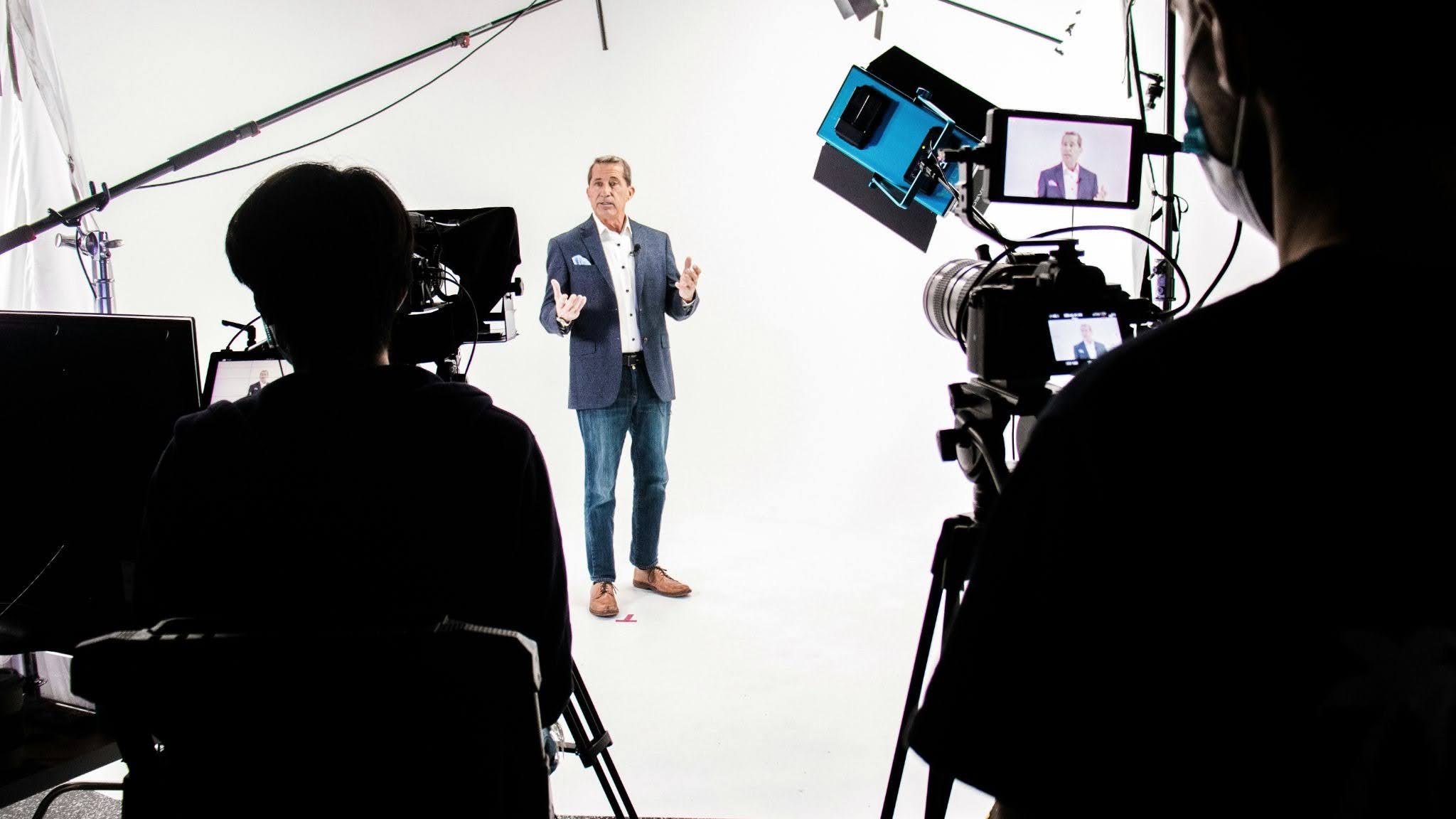
Casting is often described as the moment a script begins to come alive. Before a single scene is filmed, someone has to decide which actors have the presence, instincts, and authenticity to bring those characters to the screen. Few people have seen that process from as many angles as Jay Krymis, an actor, producer, and casting professional based in the Los Angeles area who has spent years on both sides of the audition room.
For actors trying to understand why one audition leads to a callback while another doesn’t, the answer is usually much more practical than people think. It isn’t about guessing what casting directors want to see. It’s about understanding what they’re actually looking for.
The Myth of the “Right Look”
Many actors assume casting decisions begin and end with appearance, but that’s only the first step. Casting directors often start with a character description that outlines an age range, personality, or general type, simply to narrow a large pool of submissions into something manageable.
Once auditions begin, however, the focus shifts quickly. The question is no longer whether someone looks like the character on paper, but whether they make that character feel believable. A performer who fits every physical description but never fully disappears into the role is often passed over in favor of someone who simply feels right.
That’s why casting directors frequently continue searching even after seeing technically strong auditions. A polished performance can check every box and still feel flat, while another actor brings an energy or authenticity that suddenly makes the character feel real. More often than not, they’re looking for the person who makes the role feel inevitable, not simply the person who looks the part.
Preparation Speaks Louder Than Talent
Natural ability may get an actor in the room, but preparation is often what leaves a lasting impression.
Actors who consistently book work rarely rely on instinct alone. They arrive having already made thoughtful choices about who the character is, what they want, and what’s standing in their way. That preparation reflects the discipline behind sustained performance, and it gives casting directors something tangible to work with.
Prepared actors are also easier to direct because they’re bringing a clear interpretation into the room. If adjustments are needed, there’s already a foundation to build from. By contrast, an actor who hasn’t done the work often forces the casting team to discover the character during the audition itself.
Talent may open the door, but preparation is what makes someone feel dependable.
Reliability Matters More Than Many Actors Realize
Every casting decision also carries a business reality behind it. Producers are managing schedules, budgets, and entire crews, which means they’re evaluating more than the performance itself.
Krymis has experienced this firsthand through producing various projects – including In the Big House – and working with major media companies like Viacom. That perspective from the business side of the industry changes the way casting decisions are viewed. Professionalism, punctuality, and consistency aren’t secondary qualities — they’re part of what casting directors and producers are assessing from the moment someone walks through the door.
An actor who is easy to work with, prepared, and dependable often becomes a safer choice than someone who delivers a slightly stronger audition but creates uncertainty elsewhere. Productions depend on people who can perform consistently under pressure, and casting directors know that long before filming begins.
Casting Is About Chemistry, Too
Even outstanding performances aren’t evaluated in isolation.
Most productions are assembling an ensemble, not simply filling individual roles. A performance that stands out on its own may not complement the actors already attached to the project, while another performer creates exactly the balance the story needs.
Chemistry isn’t limited to romance. It’s the way personalities, rhythms, and performances work together on screen.
Krymis experienced it firsthand while appearing in the Academy Award-winning film Traffic, whose ensemble received recognition from the Screen Actors Guild. Experiences like that reinforce an important lesson: the strongest individual audition isn’t always the strongest casting decision for the project as a whole.
Casting directors are constantly thinking about how every actor contributes to the larger story.
What Happens After the Audition
For actors, the audition often feels like the finish line. For casting professionals, it’s only one step in a much longer process.
Once auditions wrap, casting teams compare performances, revisit recordings, and evaluate how different actors fit together before making final recommendations. Sometimes an audition that seemed unremarkable in the room becomes exactly what the project needs after reviewing it alongside other performers.
Through the Booked Talent casting agency, which Krymis co-owns with his wife, Michel, the emphasis extends beyond simply filling roles. Their approach focuses on aligning performers with projects that fit both their skills and their longer-term direction, recognizing that the right opportunity often benefits both the production and the actor’s career.
That’s why actors shouldn’t interpret every rejection as failure. In many cases, it’s simply a matter of fit. The same performance that isn’t right for one production may be exactly what another casting director is searching for.
Advice Actors Can Actually Use
If there’s one consistent lesson behind successful auditions, it’s that casting directors appreciate actors who make the process easier.
Know the material well enough to make confident choices. Bring a specific interpretation instead of a generic one, while remaining flexible enough to adjust after receiving direction. Treat everyone in the room professionally because today’s casting assistant may become tomorrow’s producer or director.
Arrive on time. Be prepared. Be collaborative. Those qualities are noticed just as much as the performance itself.
None of those habits guarantee a role, and no experienced casting professional would suggest otherwise. What they do is help move an actor from the large group hoping for an opportunity into the much smaller group casting directors trust. Over time, that trust becomes the foundation for a lasting body of work in front of the camera.
Jay Krymis is a film and television actor and producer known for his work both in front of and behind the camera, including an appearance in Traffic and producing credits such as In the Big House. He is the co-owner of the Booked Talent casting agency, which he operates with his wife, Michel. His contributions have been recognized by the City of West Hollywood, the Hollywood Chamber of Commerce, and the California State Senate.
Written in partnership with Tom White

-

 4 years ago
Maggie Jenson Is Empowering People Battling Addiction
-

 3 years ago
Latino Pulse in LA’s Hip-Hop Heart: The FACEvsIT Evolution
-

 Crypto8 months ago
The Real Story Behind teemchase’s Real Estate, Music, and Crypto Empire
-

 Fashion3 years ago
From Brothers to Business: The Inspiring Journey of YoungLA
-

 Entertainment3 years ago
From ‘Cold’ Streetwear to Cosmic Dreams: The Ryley Gauthier Odyssey
-

 Entertainment3 years ago
Yolo Aventuras: From Venezuela to Global Stardom – The Rise of Digital Content Creators
-

 5 years ago
Demonstrating the power of social media- British bombshell, Bonnie Locket:
-

 Business2 years ago
Iron Wallet: The Ultimate Solution for Financial Independence