
Wellness
Dialed & Defend Makes Its Philanthropic Debut in Newport Beach

The Dialed & Defend launch took place at Ali Garawi’s Linda Isle waterfront estate, with the event space set on a floating dock in Newport Beach.
Dialed & Defend officially launched on Sunday, December 14, with an intimate charity gathering hosted by Ali Garawi at his waterfront home in Newport Beach.
Co-founded by Ali Garawi and his brother Muha Garawi, Dialed & Defend announced a $250,000 commitment in sauna and cold plunge equipment from Dialed Labs to Southern California fire departments during the event. This significant initial investment represents the first wave of a broader, long-term national mission. The initiative extends the mission behind their companies, Dialed Labs and Dialed Moods, into the philanthropic space, focusing on equipping fire stations with modern recovery tools designed to support the physical, mental, and emotional demands placed on first responders.
Guests arrived throughout the afternoon via continuous Duffy boat transportation and were welcomed into an elevated yet relaxed waterfront setting. The event blended refined hospitality with immersive wellness elements, featuring curated appetizers, a dedicated caviar bar, signature cocktails, and specialty kratom and kava mocktails by Moonlight Mocktails. Live entertainment included a violinist, a magician, and an artist creating a live landscape painting during the gathering.
Dialed Labs saunas and cold plunges were displayed throughout the space, offering guests a firsthand look at the recovery equipment being deployed to fire stations across Southern California. The installations served as a tangible expression of the initiative’s mission and its emphasis on practical impact.

Dialed Labs CEO Ali Garawi and board member Michael ‘Harry O’ Harris at the Dialed & Defend launch, celebrating a $250,000 commitment to Southern California fire departments.
The program included remarks from Garawi, who shared his personal motivation for launching Dialed & Defend and spoke to the long-term toll firefighting takes on the body and mind. He emphasized the importance of providing first responders with meaningful recovery solutions that support long-term health and performance.
Sion Zekaria of the Fountain Valley Fire Department at Station 1, the first station to receive a Dialed & Defend installation, followed with firsthand insight into the role of sauna-based recovery within the fire service, highlighting its benefits for firefighter resilience, wellness, and longevity.
Dr. Daniel Higuera, PhD, CSCS, ACSM-CPT, Associate Professor of Kinesiology at Santa Ana College and a Dialed & Defend board member, provided additional context on the physical and mental strain firefighters face. Drawing from his work with more than 20 fire and police departments across Southern California, he spoke to the science-backed benefits of sauna and cold plunge therapy in supporting recovery and readiness.

A local firefighter at the Newport Beach waterfront celebration launching Dialed & Defend’s recovery equipment initiative.
The program concluded with remarks from board member Michael “Harry O” Harris, co-founder of Death Row Records and founder of Community First Action, who addressed the importance of community resilience during California wildfire seasons and emphasized the need for sustained support for first responders. He also spoke to the potential for Dialed & Defend to expand nationally in the years ahead.
The Newport Beach debut marked a defining milestone for Dialed & Defend, laying the foundation for a mission rooted in community, wellness, and action, and reinforcing the belief that those who protect our communities deserve access to the highest level of care and recovery.
Written in partnership with Tom White

Wellness
Personal Fitness Coaching Isn’t Just for Celebrities, Says QBod Founder

With Thanksgiving gatherings, holiday parties and year-end deadlines approaching, founder Michele Balco wants fitness guidance to fit the life you actually lead
In Los Angeles, personal attention has long been part of the celebrity wellness equation. Training sessions fit around filming schedules, nutrition plans accommodate travel, and someone is available to help work through the details. For socialites and stars heading into a season of holiday parties and public appearances, having that kind of support becomes especially important.
Fitness and wellness coaching app QBod brings personalized guidance for busy schedules, from influencers juggling appearances and travel to parents balancing work, school pickups and holiday plans. Its AI coach, Coach Q, considers nutrition, training, sleep, recovery and personal goals together. Users can discuss how to approach a workout between events or adjust their routine while visiting family.
Founder Michele Balco developed QBod after encountering those competing demands herself. With Thanksgiving approaching and December invitations beginning to arrive, her approach speaks to a familiar wish: having help making a healthy routine work around your life.
The Founder Behind the Coach in Your Pocket
Before founding QBod, Balco spent more than 20 years at a Fortune 100 financial services company, leading strategic portfolios and large-scale technology projects. The idea grew out of her own efforts to balance that career with family life and fitness. She was using separate apps to manage different parts of her health, then trying to make sense of the information herself.
“My food app didn’t know I had slept four hours, and my workout app couldn’t account for it,” she says.
Balco’s experience reflects a broader frustration with managing multiple health apps. A 2026 survey commissioned by MD Live by Evernorth found that respondents used an average of six health-related apps. More than half said they had too many to manage, and nearly half reported weekly burnout from logging, alerts and updates.
Balco built QBod to bring that information together. Coach Q draws on users’ workout histories, food logs and sleep data to offer guidance based on their goals and daily circumstances.

Personal Attention Beyond the Celebrity Circuit
The appetite for a more individual approach to wellness reaches well beyond Hollywood. McKinsey’s 2025 Future of Wellness research found that 84% of U.S. consumers considered wellness a top or important priority. It also described younger consumers’ growing emphasis on daily, personalized practices across fitness, nutrition, sleep and mindfulness.
QBod brings that focus to decisions that might otherwise leave someone searching through general advice. Users can explain that they have limited equipment, a shorter window to train or a disrupted schedule, then discuss an approach that takes those details into account.
For someone leaving a studio lot and someone finishing a shift before picking up the kids, the question may be much the same: what can I realistically do today to keep moving toward my goal?
A Routine That Travels With You
The Wednesday before Thanksgiving offers a familiar test. Work runs late, a suitcase needs packing, and the hour set aside for the gym has become 30 minutes before leaving for LAX.
A user can ask Coach Q for a workout that fits that window and their training goals. Once away, they can explain how their meals, schedule or access to a gym have changed and discuss adjustments.
That conversation can continue through Hanukkah, Christmas and the year-end party circuit. A hotel gym might replace a usual training space, while a late evening could prompt a discussion about recovery before the next session.
Having somewhere to work through those changes can help make a busy season feel more manageable.

Tracking Habits, Not Just Results
QBod’s Q-Score tracks daily follow-through across nutrition, fitness and recovery. It reflects actions taken toward a goal, rather than serving as a health grade or measuring results.
“You can’t make the scale move on a Tuesday, but you can hit your protein target, get your workout in and protect your sleep,” Balco says.
During the holidays, that perspective gives a shorter workout or attention to recovery a place in the bigger picture. It also reflects the practical concern that led Balco to build QBod: people want guidance that considers their lives, including the weeks when very little goes according to plan.
Written in partnership with Tom White
Wellness
Eugene Pallisco Breaks Down Five Wellness Foods That May Not Be as Healthy as You Think
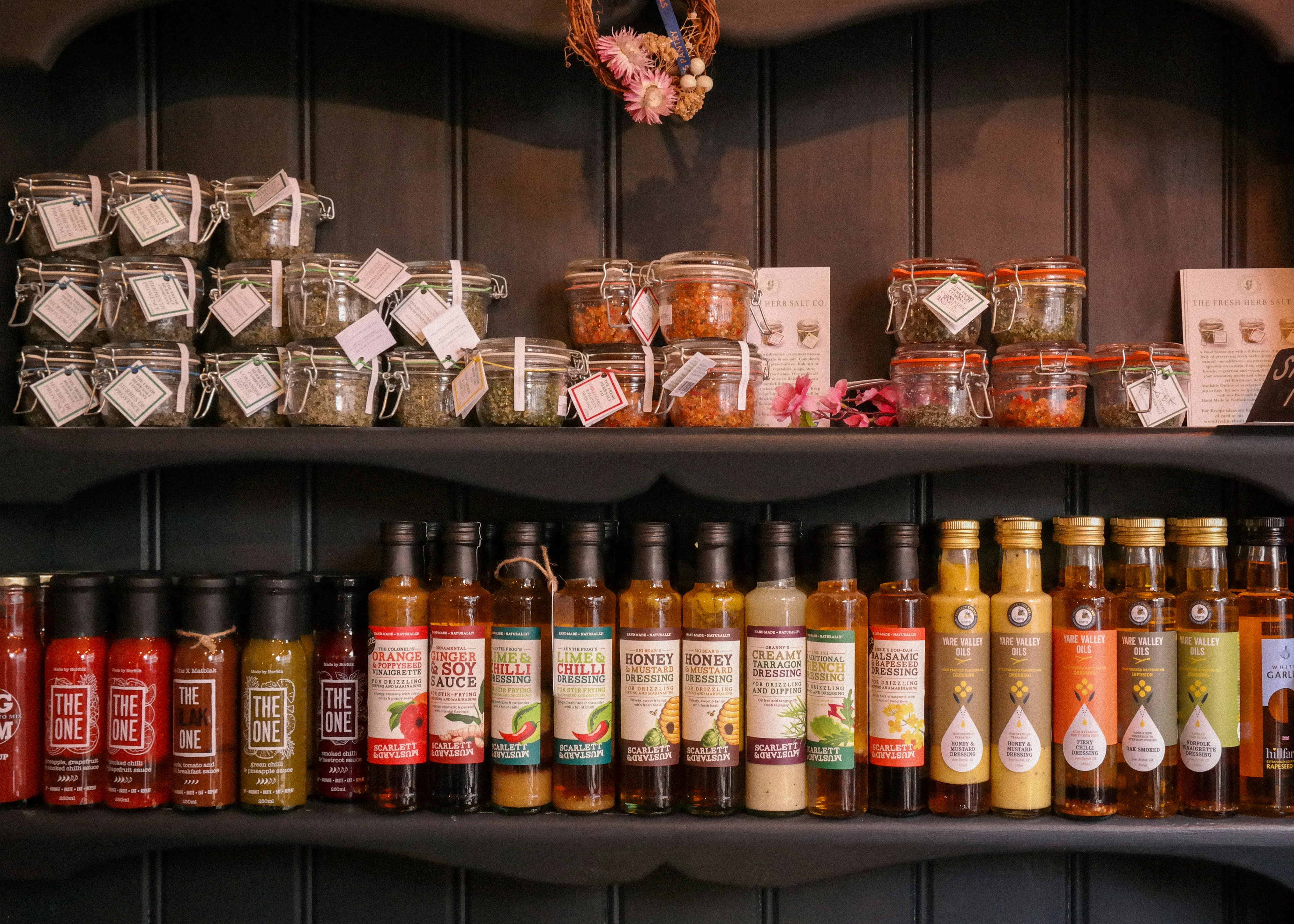
Many foods marketed as “healthy” have developed superfood status on social media, with claims ranging from better gut health to improved energy, weight loss, and longevity. Personal trainer Eugene Pallisco says that while many of these foods can have a place in a healthy diet, their benefits are frequently overstated, and context matters just as much as the ingredient itself.
In many cases, the hesitation has less to do with the food itself and more to do with portion size, nutrient quality, processing, cost, or whether the scientific evidence matches the marketing. Here are five popular wellness foods that some nutrition coaches approach with caution.
-
Chia Seeds
Chia seeds are nutrient-dense, but they are sometimes overrated for people focused on increasing protein intake. Although they contain about 17 g of protein per 100 g, a typical serving of 1 to 2 tablespoons provides only around 2 to 4 g.
Chia seeds can reduce the absorption of minerals including iron, zinc, and calcium. While this is rarely an issue for people eating a varied diet, coaches working with clients who have mineral deficiencies may recommend other foods.
Their exceptionally high fiber content can also cause bloating, gas, or constipation in people with sensitive digestive systems or those who suddenly increase their fiber intake. At roughly 140 calories per two tablespoons, chia seeds can also contribute more calories than many people realize.
“Healthy foods still count toward your daily calorie intake,” says Pallisco. “It’s important to look at the full nutritional picture rather than assuming every superfood deserves unlimited portions.”
-
Sea Moss
Sea moss has become one of the wellness industry’s most talked-about products, yet high-quality human research remains limited.
Although it contains vitamins, minerals, and fiber, there is little evidence showing it provides benefits beyond those of a balanced diet. Its iodine content can also vary substantially depending on where it is harvested, potentially posing concerns for people with thyroid conditions.
Sea moss may also absorb heavy metals and other contaminants from ocean environments, making sourcing and third-party testing important considerations.
Many online claims involving immunity, gut health, hormone balance, energy, and weight loss remain unsupported by robust clinical research.
-
Plant-Based Milk
Plant-based milks can be excellent alternatives to dairy, but their nutritional value differs considerably between products.
Many almond, oat, rice, and coconut milks contain just 1 to 3 g of protein per serving, compared with approximately 8 g in cow’s milk. Soy milk is the primary exception, offering a similar protein content.
Many products also contain added sugars, while others include gums, emulsifiers, stabilizers, and oils to improve texture and shelf life. For this reason, nutrition coaches commonly recommend choosing unsweetened, minimally processed varieties whenever possible.
-
Store-Bought Bone Broth
Bone broth has earned a reputation as a wellness staple, but commercial products vary significantly in quality.
Some contain only a few grams of protein despite being marketed as collagen-rich. Sodium is another consideration, with many brands providing between 400 and 900 mg per serving. Others rely on concentrates, flavorings, and additives rather than traditional slow-simmering methods.
Pallisco notes that “Research supporting claims that bone broth directly improves joint health, skin, or gut health also remains limited, with much of the available evidence focusing on collagen supplements instead.”
-
Coconut Cult
Coconut Cult has attracted attention because of its probiotic content, but nutrition coaches encourage realistic expectations.
Each serving is relatively high in saturated fat from coconut, making portion size important for people monitoring cholesterol levels. Although the product contains multiple probiotic strains, research on the product itself is limited, and probiotic effects depend on the specific strain, dose, and individual.
Some people may also experience bloating or digestive discomfort when introducing highly concentrated probiotic foods too quickly.
“Pursuing better nutrition doesn’t require chasing every trend,” Eugene Pallisco says. “Consistency with balanced eating habits will almost always deliver better long-term results than relying on any single food.”
Eugene Pallisco Explains The Bottom Line on “Healthy” Foods
None of these foods are inherently unhealthy, and most can absolutely fit into a balanced diet.
The reason some nutrition coaches are cautious is usually because of portion size, nutrient density, product quality, marketing claims, or how well a food aligns with an individual’s health goals.
Rather than labeling foods as “good” or “bad,” evidence-based nutrition focuses on the overall dietary pattern.
A diet built around a variety of whole, minimally processed foods will almost always have a greater impact on long-term health than any single trendy ingredient or superfood.
About Eugene Pallisco
Eugene Pallisco is a fitness instructor and certified trainer in Dallas, Texas. After beginning as a group fitness instructor, he transitioned into personal training before launching his own private training business. Through strength training, cardio, and sports performance coaching, he helps clients build sustainable fitness habits and enjoy long-term movement and health.
Written in partnership with Tom White
Wellness
Desert Doc and the Ethics of Showing Real Emergency Medicine

Ethical questions often surface when real medical care is documented for public viewing. Emergency rooms are intense environments where decisions are made quickly, and emotions run high. Filming these moments requires careful judgment and clear boundaries. Desert Doc centers on these realities while placing ethical responsibility at the core of its approach.
Unlike dramatized medical programs, Desert Doc relies on real emergency room footage captured during active patient care. This choice brings added responsibility to protect those receiving treatment. Every moment shown is governed by strict consent standards and privacy safeguards. Patients are never treated as content, but as individuals first.
Patient consent remains a foundational principle throughout the series. Participation is never assumed, and consent is obtained through established medical and legal protocols. Identifying details are handled with care to prevent unnecessary exposure. These standards help ensure that storytelling never outweighs patient rights or dignity.
Clinical integrity is also preserved by keeping medical decision-making independent from production considerations. Care is delivered exactly as it would be without cameras present. Physicians, nurses, and staff operate under standard hospital protocols at all times. The presence of cameras does not influence diagnoses, treatment paths, or outcomes.
Medical Center Hospital in Odessa provides the setting for this work. The hospital serves a vast and often underserved region, covering tens of thousands of square miles. This scale adds complexity to emergency care and reinforces the need for accuracy and restraint in documentation. The series reflects the realities of working within these constraints without altering them for narrative effect.
Oversight plays a critical role in maintaining accountability. Hospital leadership, medical professionals, and production teams work within clearly defined guidelines. These measures help ensure compliance with healthcare regulations and ethical standards. The result is a system of checks that supports transparency rather than spectacle.
Dr. Sudip Bose plays a central role in maintaining these standards. As an emergency physician and medical leader, his responsibilities extend beyond patient care to ethical oversight. His experience in high-pressure environments informs how situations are assessed both clinically and ethically. This perspective helps guide how emergency medicine is represented on screen.
Dr. Bose’s involvement reinforces the importance of professional accountability. His leadership reflects a commitment to accuracy, patient safety, and ethical restraint. The series does not frame him as a performer, but as a working physician navigating real cases. This distinction is key to preserving trust with both patients and viewers.
Desert Doc has received industry recognition, including a Telly Award and an Emmy nomination. These acknowledgments reflect the care taken in their execution rather than promotional intent. The series premiered on Amazon Prime Video and has since been distributed across streaming platforms, with updated viewing availability provided through its official website.
Ethical storytelling in healthcare requires balance. It demands honesty without intrusion and access without exploitation. Desert Doc demonstrates how real emergency medicine can be shown while maintaining respect for patients, professionals, and the gravity of medical care. In doing so, the series contributes to a more informed and ethical portrayal of emergency medicine.
Written in partnership with Tom White
-

 4 years ago
Maggie Jenson Is Empowering People Battling Addiction
-

 Crypto10 months ago
The Real Story Behind teemchase’s Real Estate, Music, and Crypto Empire
-

 3 years ago
Latino Pulse in LA’s Hip-Hop Heart: The FACEvsIT Evolution
-

 Fashion3 years ago
From Brothers to Business: The Inspiring Journey of YoungLA
-

 Entertainment3 years ago
From ‘Cold’ Streetwear to Cosmic Dreams: The Ryley Gauthier Odyssey
-

 Entertainment3 years ago
Yolo Aventuras: From Venezuela to Global Stardom – The Rise of Digital Content Creators
-

 5 years ago
Demonstrating the power of social media- British bombshell, Bonnie Locket:
-

 Business2 years ago
Iron Wallet: The Ultimate Solution for Financial Independence