
Documentary
Beyond the Spotlight: What Matthew Perry’s New Documentary Reveals About Addiction, Success and the Road to Recovery

Courtesy of The Turn Recovery
As Perry’s story returns to the spotlight, The Turn Recovery, a California treatment center, offers a fresh perspective on addiction and recovery.
Matthew Perry had what millions of people spend their lives chasing: fame, fortune, a successful career, and the affection of colleagues and audiences worldwide.
Yet behind the quick wit and unmistakable charm of Chandler Bing was a man fighting a deeply personal battle with addiction, one that continued despite his extraordinary professional success and access to treatment.
Now, three years after his death at 54, Perry’s story is back in the spotlight with Netflix’s new three-part documentary, The One About Matthew Perry, which premiered October 27. Featuring interviews with family members and longtime friends, the series offers a closer look at the man behind one of television’s most beloved characters.
His story raises a much larger question: Why is recovery so complicated, even for people who seemingly have every resource available to them?
It’s a question that professionals at The Turn Recovery, a newly opened private residential addiction treatment center in Healdsburg, California, are approaching with a philosophy centered on treating the whole person, not simply the addiction.
For Dr. Tim Worden, The Turn’s clinical director and a licensed neuropsychologist with more than 25 years of experience in addiction treatment programs, understanding the emotional, psychological, and behavioral factors behind substance use is essential to developing an effective treatment plan.
Addiction Doesn’t Discriminate
The image of someone struggling with addiction rarely tells the whole story.
It can be a young adult just beginning a career, a parent raising children, a successful entrepreneur, a healthcare professional or a retired executive. It can affect people across every income bracket, profession and generation.
And sometimes, the people struggling the most are the ones who appear to be doing exceptionally well.
In a world where professional success and outward appearances can mask personal struggles, that reality can be particularly difficult to recognize.
Someone can manage a business, maintain relationships, and fulfill professional responsibilities while privately struggling with a serious substance use disorder.
This is sometimes described as high-functioning addiction, although the term is not a formal medical diagnosis. In fact, it can be misleading, suggesting that someone who continues to perform well is somehow less vulnerable to the consequences of addiction.
For people accustomed to being in control, acknowledging the need for help can be especially difficult. Fear of professional consequences, embarrassment, or disappointing loved ones may create additional barriers to treatment.
Perry’s experience challenged the assumption that professional achievement, financial security or public admiration somehow protects a person from addiction.
The consequences extend far beyond Hollywood.
According to the California Department of Public Health’s 2026 State of Public Health Report, drug overdose was the leading cause of death among Californians ages 25 to 54 in 2024. It also ranked first statewide when measured by years of life lost, underscoring the devastating impact of lives cut short.
The problem extends far beyond California. Globally, an estimated 64 million people were living with drug use disorders, according to the United Nations World Situation with Regard to Drug Abuse (2026), highlighting the enormous reach of addiction across countries, cultures, and communities.
Behind those statistics are families, friends, and communities searching for answers.

Courtesy of The Turn Recovery
Why Recovery Requires More Than Detox
For decades, much of the public conversation around addiction has centered on getting sober. But stopping substance use, while essential, is only one part of a much larger process.
Substance use disorders can involve complex interactions among brain function, mental health, trauma, relationships, and physical health.
Dr. Worden’s clinical work focuses on these interconnected factors, including unresolved loss, trauma-related anxiety, guilt, shame, and relationship challenges that can accompany addiction.
At The Turn Recovery, that perspective helps shape an individualized approach to treatment.
Two people may arrive with the same diagnosis but have completely different histories. One may be struggling with unresolved trauma or anxiety. Another may be dealing with grief, relationship difficulties, or years of unhealthy coping mechanisms.
Even their definitions of a meaningful life in recovery may be entirely different.
The Turn’s treatment model combines medical and clinical care with opportunities to develop healthier routines, reconnect with personal interests, and build skills that support life beyond treatment.
The center also provides medically supervised detoxification, medication-assisted treatment when appropriate, and care for co-occurring mental health conditions.
The objective is not simply to address substance use, but to understand the individual circumstances that may contribute to it and develop a treatment plan that reflects those needs.

Courtesy of The Turn Recovery
Creating a Different Kind of Recovery Experience
That philosophy helped shape the vision behind The Turn Recovery.
Co-founder and managing partner Keith Greenberg brings more than 35 years of healthcare experience, including leadership in behavioral health and addiction treatment.
Throughout his career, Greenberg has seen how programs can be clinically sound yet still fall short of addressing the individual sitting in front of the treatment team.
When he joined forces with his co-founders, Jonathan and Patrick Wilhelm, whose background includes owning and developing premier golf and hospitality properties, they saw an opportunity to create a residential treatment environment that combined individualized clinical care with experiences designed to support personal growth.
Located in Sonoma County, The Turn integrates evidence-based treatment with wellness, outdoor activities and experiential opportunities tailored to each person’s recovery needs.
One of its most distinctive features is its relationship with Mayacama, one of the country’s premier private golf clubs, which is co-owned by the Wilhelm brothers.
That relationship provides opportunities to incorporate golf into the recovery process when clinically appropriate, including for individuals who have never played the game.
And the connection goes well beyond recreation.
Golf requires patience, focus, emotional regulation, and the ability to move forward after a setback. Those same skills can be valuable throughout recovery and in everyday life.
Every golfer knows that one bad hole doesn’t have to ruin an entire round. Similarly, a setback in recovery doesn’t have to erase the progress someone has made.
Golf is only one option. The Turn also incorporates creative outlets and other experiential activities based on individual treatment goals, complementing the clinical work taking place at the center.
For successful professionals who may have spent years defining themselves through achievement, responsibility, and performance, treatment can provide an opportunity to reconsider what a healthy, meaningful life looks like beyond their careers.
Changing the Conversation About Addiction
Matthew Perry’s legacy extends well beyond the television character that made him famous.
During his lifetime, he became an outspoken advocate for people struggling with addiction, openly discussing his own experiences and expressing a desire to be remembered for helping others.
His willingness to speak publicly about substance use disorders helped challenge the stigma that continues to prevent many people from seeking care.
The renewed attention surrounding his life offers another opportunity to move that conversation forward.
It’s also a conversation that reflects the philosophy behind The Turn Recovery: People struggling with addiction are more than their diagnoses, and effective treatment must recognize the individual behind the illness.
Recovery may involve medication, psychotherapy, family support, behavioral changes and the gradual rebuilding of relationships and routines. There are no guarantees or shortcuts, but effective treatment and sustained support can make recovery possible.
Perhaps the most meaningful lesson from Perry’s story is not simply that success cannot protect someone from addiction.
It’s that no matter how successful someone appears to be, how many times they’ve struggled or what their circumstances may be, they deserve the opportunity to heal, rebuild, and move forward.
To learn more about The Turn Recovery and its approach to individualized addiction treatment, visit the official website.
Written in partnership with Tom White


Documentary
From Set to Spectacle: Actor Joey Luthman Takes on a World Record for Cat Health

Joey Luthman has spent two decades building a career in front of the camera. A veteran of network television and film, Luthman has appeared in recurring and guest roles on Weeds, Hawaii Five-0, Chicago Med, Alexa & Katie, *General Hospital, The Goldbergs, Speechless, and Modern Family, along with feature film credits including Bad Teacher and An American Carol. Discovered as a child performer on The Tyra Banks Show, Luthman comes from a family of seven performing siblings and has since built out a career behind the camera as well, working as a writer, director, and producer on his own projects. You can see his acting credits via IMDb: https://www.imdb.com/name/nm2545508/.
Now, Luthman is bringing that same instinct for performance to a very different kind of role, off-script and airborne.
THE NEXT ACT: A WORLD RECORD ATTEMPT
On September 19th, Luthman will attempt a Guinness World Record for hands-free pogo jumping in Glendale, CA, the latest stunt in an ongoing personal mission to raise $1 million for the EveryCat Health Foundation, the world’s leading granting foundation for feline health research and a top funder in the search for a cure for feline Chronic Kidney Disease (CKD), a disease that affects up to 50% of cats age 10 and older
It’s not the first time Luthman has turned a physical feat into a fundraising platform. Last year, he rode a one-wheeled electric bike across the United States to kick off the campaign, documenting the journey in his film CAT MAN: Journey to Save Cat Kind.
The documentary will get a free screening at the Glendale event starting at 3:00 PM, ahead of the 5:00 PM record attempt.
For an actor known for guest spots and recurring TV roles, the pivot to endurance stunts and philanthropy marks a notable expansion of his public profile — one built less on scripted performance and more on physical spectacle in service of a cause.
JOIN THIS WORLD RECORD-BREAKING EVENT
What: Joey Luthman attempts a Guinness World Record in hands-free pogo jumping
When: September 19th. Doors/screening 3:00 PM; Record attempt 5:00 PM
Where: 234 N. Isabela Street, Glendale, CA
Admission: Free, includes documentary screening and entertainment
WHAT’S NEXT
Luthman is also serving as an ambassador with a slate of upcoming appearances at feline and veterinary industry conferences, including Cat Con, later this year: https://www.catconworldwide.com.
Written in partnership with Tom White
Documentary
Writer-Director David Anthony Ngo: Behind The Scenes Of Award-Winning Documentary Projects
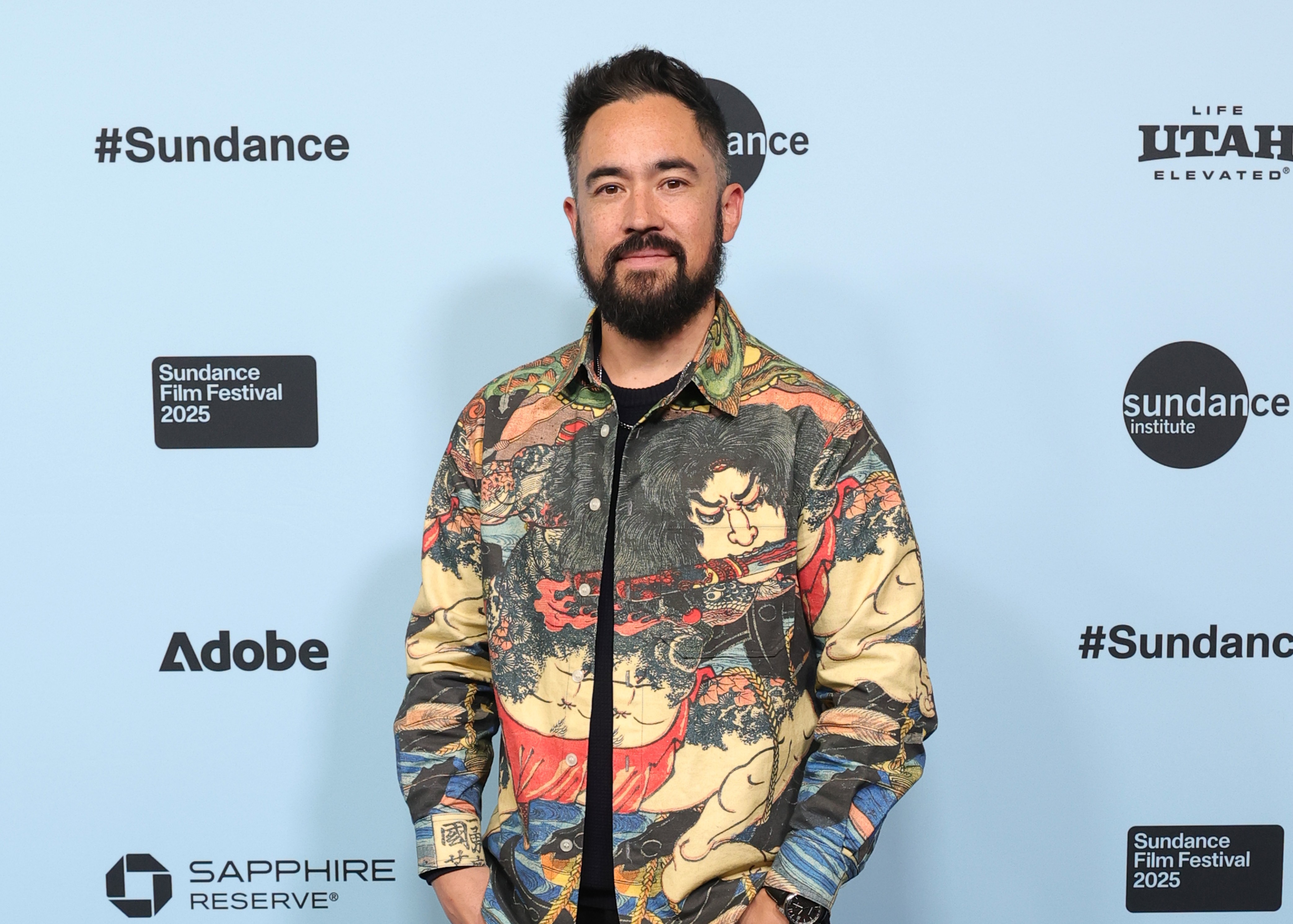
Art is often a collaborative process, and becomes almost invariably so as projects grow larger and more ambitious. The film industry is a prime example of this; small independent films can get by with a small team, but any kind of blockbuster or even mid-sized movie requires the work of dozens, if not hundreds, of collaborators. From ideation, through early filming and production, to editing, and even—if not especially—during the release window, films succeed on the backs of collaborative teams working toward a shared vision. This is as true for horror movies and action movies as it is for biopics and documentaries.
It’s that collaborative spirit that makes filming documentary projects so engaging and fulfilling, at least according to the award-winning filmmaker David Anthony Ngo. As both a writer and director of documentary and narrative films, David Anthony Ngo has created films shown around the world, including at festivals like the Sundance Film Festival. He’s the winner of the PBS Human Spirit Award, and has been nominated for both the WeScreenplay Diverse Voices and the Tracking Board Launch Pad competitions. Most recently he helmed Never Get Busted! a Sundance featured film following the infamous Texas lawman who turned on the police.
The process behind putting together award-winning documentary projects is multifaceted and involves a great many people. Even after release, the process of taking these films to major international festivals has a lot of moving parts; taking a film from concept to the festival circuit is one of the most challenging artistic collaborative efforts that exists today. That’s part of what makes it so engaging and fulfilling, at least for David Anthony Ngo.
“I have met hundreds, perhaps thousands, of filmmakers throughout the years at film festivals all over the world, and have found a shared passion and struggle for the medium that is inspiring,” Anthony Ngo says. “Making a movie is always a challenge. Making one independently requires an enormous amount of risk, dedication and hard work.”
Inspired By Stories, Driven By Teams
While he’s now an internationally recognized and award winning writer and director, David Anthony Ngo started the same way every filmmaker does: small. He fell in love with watching murder mysteries—which would later become his genre of choice—and Hitchcock films with his grandmother, and would spend weekends going through piles of video tapes from the local store for new experiences. By the time he was watching The Big Lebowski as a teenager, he’d realized that the art form he loved so much was one he could contribute to.
“I soon bought a small DV camera and started making short films on weekends,” Anthony Ngo recalls. “They weren’t great, but with each I got a bit better, learned the craft more, and bit by bit started to bridge the taste gap—that enormous divide between your artistic intention and the end result.”
As the years passed and his filmmaking career developed, Anthony Ngo learned that there is nothing more essential to the art than collaboration. In his words, the most unique thing about filmmaking is that it is a collaborative process; editors, producers, writers, directors, actors, cinematographers, and more are all crucial members of the team. Even during his formative career working as an editor, Anthony Ngo believed that it wasn’t about professional titles, but making sure the best idea wins. It’s a mindset he carries to this day.
“Unfortunately, the industry puts too much focus on directors as a singular creative force,” he explains. “That’s simply not true. It’s always a team effort. Writers often initiate the project and key creatives help interpret it. So when I collaborate, I always try to keep that in mind. If someone else has a better idea, it’s best to drop the ego and take the win.”
From Concept To Festival Debut
Like any artist, David Anthony Ngo has his own unique creative process when it comes to filmmaking. Most of his films are rooted in true stories, often true crime stories, because they often inherently carry with them the ingredients of a good story for film: a great premise, interesting characters, and high stakes. However, whether it’s a documentary or not, it always starts with a story, a flash of inspiration, a driving idea that fascinates him enough to be interested over the years it’ll take to write, direct, and release the film.
Once the illuminating idea has been discovered and chosen, the real work begins. Research makes up the majority of the early process, which often leads to multiple early rewrites on its own. Anthony Ngo usually starts with a beat sheet that maps out the major characters and plot points, giving necessary structure to the story before he fleshes it out into a longer form outline or script. These early stages can take over a year on their own, before any preparation for shooting begins. Once it’s done, Anthony Ngo will seek out feedback from trusted peers, then send it out to potential production partners and financiers.
“In ‘Never Get Busted’, the co-creator Erin Williams-Weir and I saw a short video with the lead subject Barry Cooper, and were instantly hooked,” Anthony Ngo says. “Once we’d fleshed out the story, we sent it out to some Executive Producers in the space and were very fortunate it got in the hands of John Battsek (Academy Award Winner ‘Searching For Sugar Man’) and Chris Smith (‘Tiger King’) who saw the potential and jumped on board. It was an enormous undertaking that took 6 years of blood, sweat, and tears to finish.”
From its earliest spark to its final form, David Anthony Ngo was deeply embedded in every layer of the project—shaping the story from the ground up, personally connecting with subjects to build an intimate, observational lens that feels lived-in rather than constructed. What followed wasn’t just a production timeline, but a many years-long personal commitment, as he poured significant parts of his life into bringing the film to completion, taking on the uncertainty and risk that comes with independent storytelling.
Documentary work demands unwavering commitment from start to finish. While others stepped away when the process became too hard, the film was carried forward by those with the strength to never give up—through years of uncertainty, travel, and relentless effort. Alongside Emmy Award nominee Julian Hart (‘Tinder Swindler’) and a small edit team, David Anthony Ngo worked relentlessly combing through hundreds of hours of archival material and interviews to shape a story that resonates emotionally while maintaining a sharp, compelling edge.
Once the movie was complete, taking it into the international film festival circuit was only a logical next step. Festivals like Sundance are one of the few avenues independent filmmakers have to seek exposure, especially as distribution networks and studios have become more risk averse. Festivals are a way for smaller budget films to get attention and prove audience engagement—which can then lead to those networks distributing and screening the film. It’s a hard gauntlet to run, but every success makes it worth it.
“Tenacity is the number one characteristic of any good filmmaker,” David Anthony Ngo says. “You’ll hear a million ‘no’s,’ be told you can’t do it, tell yourself you can’t do it, have people try to stop you from doing it—and still need to get up every morning and persevere. The world is always hungry for an engrossing story. Technology changes all the time, but if you’re a great storyteller, everything else can be learned.”
Written in partnership with Tom White
-

 4 years ago
Maggie Jenson Is Empowering People Battling Addiction
-

 Crypto10 months ago
The Real Story Behind teemchase’s Real Estate, Music, and Crypto Empire
-

 3 years ago
Latino Pulse in LA’s Hip-Hop Heart: The FACEvsIT Evolution
-

 Fashion3 years ago
From Brothers to Business: The Inspiring Journey of YoungLA
-

 Entertainment3 years ago
From ‘Cold’ Streetwear to Cosmic Dreams: The Ryley Gauthier Odyssey
-

 Entertainment3 years ago
Yolo Aventuras: From Venezuela to Global Stardom – The Rise of Digital Content Creators
-

 5 years ago
Demonstrating the power of social media- British bombshell, Bonnie Locket:
-

 Business2 years ago
Iron Wallet: The Ultimate Solution for Financial Independence