
Precision
The Quiet Power of Precision: Sound Editor Wooin Jeon’s Discipline in Narrative Design
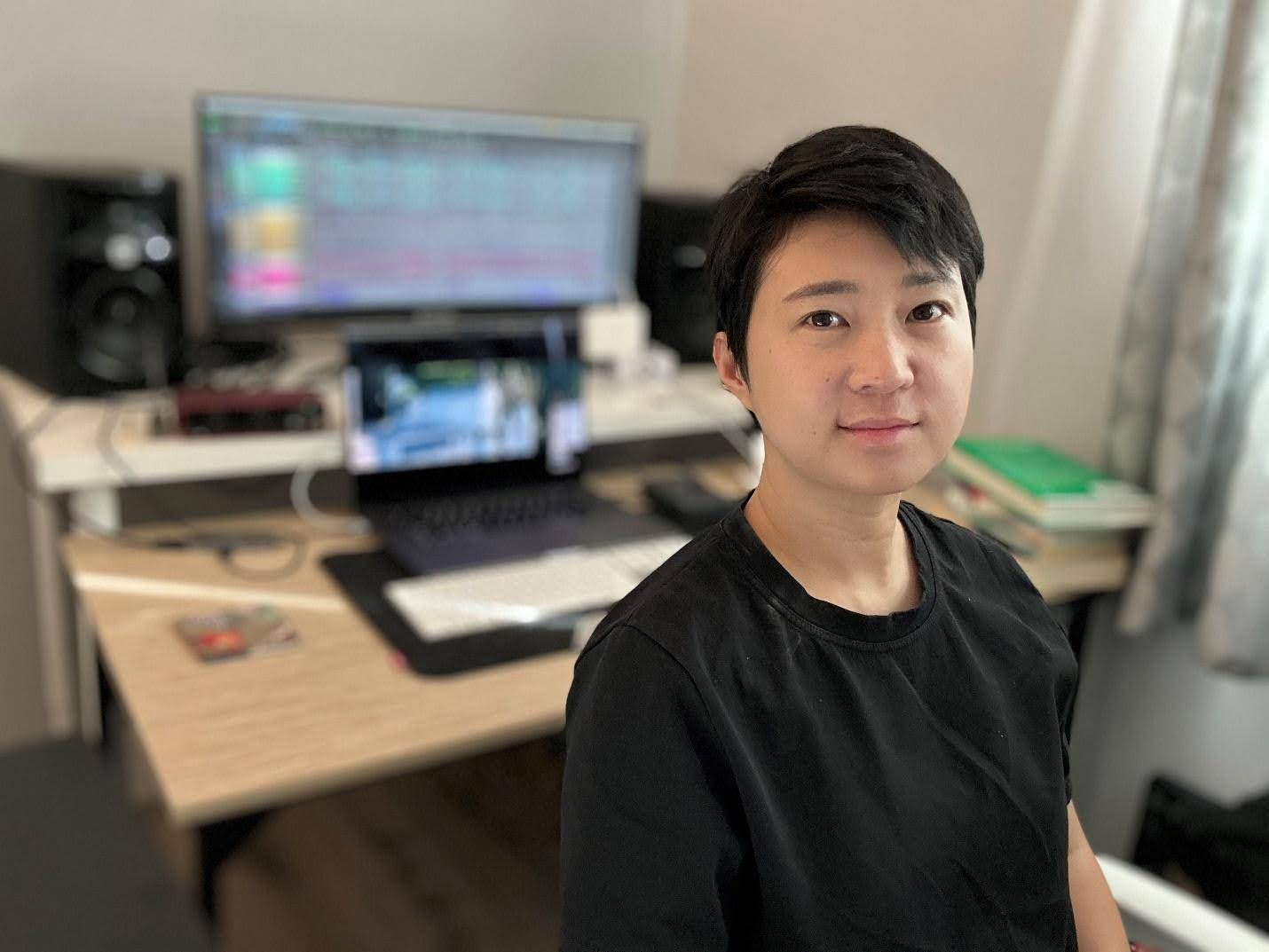
Sound, often the least visible element of a film, carries undeniable weight in shaping a story’s impact. Los Angeles-based sound editor and designer Wooin Jeon is a professional whose work is defined by a meticulous, story-driven approach to the craft. Her contributions have been instrumental in preparing films for major festivals, with her sound work featured in 24 projects—16 of which have earned official selection at respected events, including the Los Angeles Latino International Film Festival and Dances with Films New York.
Wooin’s reputation is built on her ability to deliver coherent, deeply engaging films across the diverse technical environments of the festival circuit. This consistent quality stems from her disciplined control over the sonic structure of each project.
A significant marker of her expertise is her work on the recent feature film By the Grape of God. For this project, Wooin single-handedly managed the entire post-production sound workflow: dialogue editing, sound design, effects, background ambience, music editing, and re-recording mixing, all while adapting to continuous picture updates. Successfully maintaining a unified and immersive sonic structure across an extended feature runtime—where even subtle inconsistencies can disrupt the audience experience—is a testament to her sustained focus and technical control.

For Wooin, sound’s primary function extends beyond simple support for the image; it is a critical force in guiding how a narrative is received and understood. Professional sound work ensures scenes connect smoothly and naturally, enveloping the viewer without drawing undue attention to the technical process itself.
“Have you ever turned on subtitles because the dialogue was hard to hear?” Wooin asks. “Or watched a film where the dialogue felt distant, but the action sound effects were uncomfortably loud? Those moments pull the audience out of the story.” She emphasizes that an unbalanced sound design is a distraction that compromises the narrative, regardless of the visual content’s strength.

Wooin approaches sound design as an exploration, likening it to the creative process of composing music, a skill rooted in her background as a musician. “I usually begin with a direction or a feeling I want to explore,” she notes, often finding that the outcome is an evolution of her initial concept. She views this creative journey as essential, allowing the soundscape to evolve organically with the story. While certain scenes demand adherence to established technical conventions, Wooin finds true creative fulfillment beyond those boundaries, believing that accidental moments of discovery push professional limits and define new creative spaces.
In post-production, Wooin treats dialogue, music, Foley, background ambience, and sound design as interconnected components of a single narrative system. Her work on films like the documentary Muljil and the short The Art of Pretending Everything Is Fine highlights this comprehensive approach. Clean dialogue is paramount for story clarity, while sound design provides the dynamic contrast necessary for tension and pacing shifts. Background ambience grounds the scene in its environment, and the final mix integrates these elements to ensure the story unfolds seamlessly.

Her professional philosophy is centered on restraint as much as on creation. “To create a sense of dynamic in a story, you can’t just keep adding sound endlessly,” she explains. “You need to subtract. Knowing what to leave out is what keeps a scene from feeling excessive.”
This philosophy also shapes her measure of success: “If sound doesn’t call attention to itself and instead blends seamlessly into the story, that’s when I consider it successful sound editing,” she concludes.
The value of Wooin’s detailed and precise technical work is perhaps best summarized by director Andrés Orellana, who described her contribution to the community-rooted project The Land as bringing “an extraordinary level of precision, creativity, and professionalism.” He credited her meticulous editing of dialogue, removal of problematic noise, and crafting of “nuanced soundscapes” with elevating the emotional tone of key scenes, which ultimately contributed to the film’s selection at major Latino film festivals.

For filmmakers navigating the demanding festival circuit, a collaborator with Wooin Jeon’s disciplined, story-driven understanding of sound is essential. Her professional focus ensures a film’s voice is not only heard but consistently strengthens its capacity to resonate with and compete before global audiences.
Written in partnership with Tom White

-

 4 years ago
Maggie Jenson Is Empowering People Battling Addiction
-

 3 years ago
Latino Pulse in LA’s Hip-Hop Heart: The FACEvsIT Evolution
-

 Fashion2 years ago
From Brothers to Business: The Inspiring Journey of YoungLA
-

 Entertainment2 years ago
From ‘Cold’ Streetwear to Cosmic Dreams: The Ryley Gauthier Odyssey
-

 5 years ago
Demonstrating the power of social media- British bombshell, Bonnie Locket:
-

 Business1 year ago
Iron Wallet: The Ultimate Solution for Financial Independence
-

 Entertainment2 years ago
Check out Lil Wayne’s New Artist, Drizzy P
-

 Entertainment2 years ago
Yolo Aventuras: From Venezuela to Global Stardom – The Rise of Digital Content Creators